
High Levels of Humidity In House - A/C Issues...

2,011 Views | 20 Replies | Last: 1 mo ago by dc1234
Stive
How long do you want to ignore this user?
AG
Over the last couple of years, we've been having a weird series of issues where our house is staying more humid than normal. It's caused some mold issues to pop up (not the scary black mold, just slight build up around the vents and a few windows on the adjoining sheetrock) in random spots and multiple service people from different A/C companies haven't been able to diagnose the issue.

So far we've:
  • Cleaned the ducts
  • Resealed multiple areas of the two main units we use
  • Moved two smaller return vents that had a weird set up
  • We change filters regularly
The house had new windows put in about ten years ago and there's no obvious leakage issues around those. The double back door is 10 years old and the stripping and edges look fine. We had a new front door put in about 6 months ago and it's in much better shape (but the old one was there for the first 15 years we've been in the house and the problem hasn't been here that long). Insulation coverage seems to be fine in the attic (it was reloaded in 2015).

We added on in 2015 and again in 2021. The 2015 add on is where we seem to be having the biggest issue. The 2021 add on has no problems at all. The 2015 area is a newer A/C unit, and it's a slightly smaller area of the house than the other unit supplies.

We're kind of stuck on what to do next. Any thoughts or diagnostic suggestions? Is there any definitive way to figure out where the outside air is coming in?


ETA: We're in the Tyler area so it's not the gulf coast, but it's more humid here than in most of the state.
Ryan the Temp
How long do you want to ignore this user?
AG
Quote:

The 2015 area is a newer A/C unit, and it's a slightly smaller area of the house than the other unit supplies.

My first thought is the unit is oversized for the space it is cooling. This will cause it to short cycle so it doesn't run long enough to pull the humidity out of the air. If that is, in fact the problem, your choices are to either replace the unit or run a dehumidifier.
Caesar4
How long do you want to ignore this user?
AG
Of course, best is to remedy the root cause and also because I can't stand too much humidity in the house.

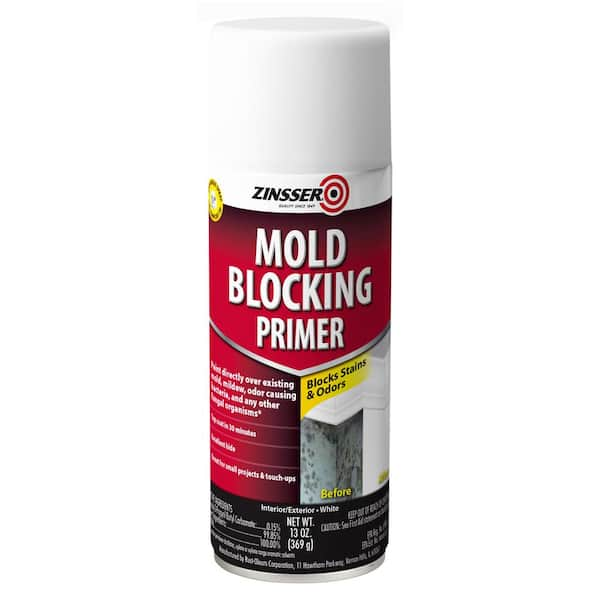
But, in case it helps...I highly recommend Zinsser Mold Blocking Primer. I had similar issues in my house. Over a few weeks, I removed and cleaned each register, one-by-one. Some of the plastic ones, I also soaked in 30% hydrogen peroxide overnight, to whiten them.

While each register dried, I sprayed inside each ceiling box and the perimeter around the box on the ceiling. No more problems.

$20/can at Home Depot
$50/6-pack at Home Depot


https://www.homedepot.com/p/Zinsser-13-oz-Mold-Blocking-Interior-Exterior-Primer-Spray-287512/206803059

https://www.homedepot.com/p/Zinsser-13-oz-Mold-Blocking-Flat-Interior-Exterior-Primer-Spray-6-Pack-287512/206850285#overlay
P.H. Dexippus
How long do you want to ignore this user?
AG
Ryan the Temp said:

Quote:

The 2015 area is a newer A/C unit, and it's a slightly smaller area of the house than the other unit supplies.

My first thought is the unit is oversized for the space it is cooling. This will cause it to short cycle so it doesn't run long enough to pull the humidity out of the air. If that is, in fact the problem, your choices are to either replace the unit or run a dehumidifier.

There's another option- adjust the dip switch settings to reduce fan speed to extend run time and draw out more humidity.

Running a dehumidifier in areas of high humidity this time of year is good practice for keeping humidity levels down. Even a properly-sized single-speed unit is going to struggle to control humidity. Two-stage and variable speed are going to do better.

I would also double check your attic to make sure duct boots are sealed to the ceiling, that there is adequate ventilation/soffit vents are not blocked due to blown insulation, and that the ducts are not sweating/dripping to the ceiling below.
BrazosDog02
How long do you want to ignore this user?
AG
Stive said:

Over the last couple of years, we've been having a weird series of issues where our house is staying more humid than normal. It's caused some mold issues to pop up (not the scary black mold, just slight build up around the vents and a few windows on the adjoining sheetrock) in random spots and multiple service people from different A/C companies haven't been able to diagnose the issue.

So far we've:
  • Cleaned the ducts
  • Resealed multiple areas of the two main units we use
  • Moved two smaller return vents that had a weird set up
  • We change filters regularly
The house had new windows put in about ten years ago and there's no obvious leakage issues around those. The double back door is 10 years old and the stripping and edges look fine. We had a new front door put in about 6 months ago and it's in much better shape (but the old one was there for the first 15 years we've been in the house and the problem hasn't been here that long). Insulation coverage seems to be fine in the attic (it was reloaded in 2015).

We added on in 2015 and again in 2021. The 2015 add on is where we seem to be having the biggest issue. The 2021 add on has no problems at all. The 2015 area is a newer A/C unit, and it's a slightly smaller area of the house than the other unit supplies.

We're kind of stuck on what to do next. Any thoughts or diagnostic suggestions? Is there any definitive way to figure out where the outside air is coming in?


ETA: We're in the Tyler area so it's not the gulf coast, but it's more humid here than in most of the state.

How many square feet and how big is the AC unit? As I said in the past, AC companies don't want callbacks from Karen because her AC won't hit 75 degree when it's 105 outside. As such, they oversize units to satisfy that requirement which means the system is oversized for the other 98% of the year.

Are you running a VS or multispeed system? You really need a lot more information to help diagnose this, and generally speaking, a trust AND COMPETENT ac company is the way to go....How you find both, I don't know, but they do exist. I cannot fathom why there are very specific means of identifying and sizing AC systems using science and Manual J calculations to make sure this doesn't happen and yet very few companies actually do it.
Stive
How long do you want to ignore this user?
AG
I do trust the guys that have looked at it. One of my best friends is a large builder here in town and they're his referrals. It's a small enough community that most of the business owners know most of the business owners.

The total house space is a little over 5,000 Sq/ft. About 1,000 of that is on a separate unit that was built in 2021. The other 4,000 are serviced by a 4 ton and a 3 ton.

The 3 ton is the newer system of the two (10 years old) and services the half of the house that's having the most issues.

I'm not sure about VS but I don't think they are. The humidity is getting up around 70% quite regularly. On the low end it will drop down to 60% from time to time.

At this point it does seem like the people we've had out are having trouble diagnosing the problem. The solutions all seem to make sense when they're voiced but diagnosing exactly how the humidity is creeping in seems to be the hang up. Is it some structural flaw in the home that's just taken a while to reveal itself? Is it an A/C issue? Something else I haven't considered? Before I drop 12k to add a couple of dehumidifiers or 22k to rerun my entire duct system, I'd like to be fairly certain it's going to fix the problem. Neither of those two options have been strongly suggested, but the guy we were talking to was just throwing out estimates of what it could potentially run me if we go down that rabbit hole. He was saying that because he also didn't want me to pay it if it wasn't the solution, and wanted me to have an idea of what the menu choices were going to run.
Ryan the Temp
How long do you want to ignore this user?
AG
Do you have a smart thermostat that lets you see a run time report? That may help you determine if it is short cycling.
tgivaughn
How long do you want to ignore this user?
AG
Reporting from HUMID Aggieland where outside air leaks may not be one of your suspects ... the usual ones may have been dismissed by now:

Drain pans that allow sitting water humidity into the air stream

Ducts recently disturbed that leak

RA vents located that confuse thermostats
or mis-zone one of two units so that they are too big for the SF they cool, e.g. 5 tons for 1500sf will produce humidity

Bath/kitchen vents whose dampers don't fully close
or worse, don't vent to the outside
BTW bath steam rarely have enough vents nor CFM to fully exhaust, so the remains become work for the HVAC

Rare, but masonry veneer exteriors may not be weephole draining properly

Foundation perimeters must sharply drain away at least 10ft

That's all my p-brain can muster on only one cup of java
Gotta draw since me got no grammar MasterArch '76
Stive
How long do you want to ignore this user?
AG
I don't think so. Or if they do have that option I have no idea how it works.
Stive
How long do you want to ignore this user?
AG
tgivaughn said:

Reporting from HUMID Aggieland where outside air leaks may not be one of your suspects ... the usual ones may have been dismissed by now:

Drain pans that allow sitting water humidity into the air stream

Ducts recently disturbed that leak

RA vents located that confuse thermostats
or mis-zone one of two units so that they are too big for the SF they cool, e.g. 5 tons for 1500sf will produce humidity

Bath/kitchen vents whose dampers don't fully close
or worse, don't vent to the outside
BTW bath steam rarely have enough vents nor CFM to fully exhaust, so the remains become work for the HVAC

Rare, but masonry veneer exteriors may not be weephole draining properly

Foundation perimeters must sharply drain away at least 10ft

That's all my p-brain can muster on only one cup of java

Drain pans are clear and in good shape

Can't think of anything that would have disturbed the ducts House doesn't seem to have shifted, and there hasn't been any attic activity other than the normal changing of filters, and putting up Christmas decorations (that storage is over the garage and no duct work any where near it).

The 3 ton unit covers about 1,500 sq/ft and the 4 ton unit covers about 2,500 sq/ft. They don't have a hard separation so there's a bit of overlap but they're typically set at the same temp, thermostats are both in halls pretty far away from each other. There is a return almost directly above the newer area's thermostat (hadn't considered that it might be confusing it somehow).

Not sure about the bath/kitchen vents but they didn't seem to be a problem for the first 8-9 years after this wing/unit were added.

BrazosDog02
How long do you want to ignore this user?
AG
First, I would post model numbers of your condenser and air handler, or at least determine if these are variable speed or multispeed systems. If they are, they may have humidity profiles built in that can be exploited with a proper humidistat thermometer combo. I mean something like a Honeywell IAQ, not a some goofy home depot t-stat. A real one. Variable Speed systems can make up a fair bit of ground for lazy installers.

Second, no matter what is installed, they need to make certain the air flows are set up for the system you have. With ECM motors (VS and non VS), air handlers can accommodate multiple tonnages and are defaulted from the factory. If your air handler is defaulted for 5 tons of air, and you have a 3 ton condenser, then it's not tuned and it will have high humidity and inadequate cooling. It's easy to check and fix. If you have air blasting across your sweating coils, it can and will lift that water off and distribute it to the house, that's why the manuals for these systems have 25 pages of specs, CFM requirements, etc.

After verifying all that is good, my opinion is that your favorite AC professional needs to run a Manual J and Manual S calc and determine if your house and systems match the performance required in the region. At the very least, it should be done for the area you are having trouble. This should be the first step prior to the HVAC company selecting a system, but it can be done now to at least validate what you have and whether it's the issue or not.

No matter what, they need to look into this. You can slow your blower down and remove humidity but it still needs to need minimum air flow requirements to keep from freezing the coil, so there are limits to what you can do. I am betting the AC isn't set up quite right and you are probably one dip switch away from correcting this issue.

Calcs can be helpful. If you use old 'rules of thumb' you are undersized. If you use new 'rules of thumb', you are oversized. But we don't have to use rules of thumb. We can use science and not guess.
JP76
How long do you want to ignore this user?
Is every fan setting on ALL of the thermostats set to AUTO and not on ?

Any filters that are in the units themselves besides what's in the RA grill that may have been overlooked ?


Have you placed hygrometer throughout the house to verify actually humidity in rooms throughout the entire house ?


Any rooms that constantly are higher than the others humidity wise ?

Are all fireplace flues closed ?


What brand and type of air filters are you running ?


Do you have spray foam insulation in any areas of the house in walls or in attic ?


Is the house on a concrete foundation or pier and beam ?
Ikanizer
How long do you want to ignore this user?
AG
Agree that you should figure out the cause but I struggled with this quite a bit and decided to try a portable dehumidifier and it worked way better than expected. My humidity problem was in a large walk in closet and adjacent bathroom. So I set the dehumidifier in the bath tub and set it at 60% and the problem is gone.
https://www.amazon.com/dp/B0FRQVWSS4?ref=ppx_yo2ov_dt_b_fed_asin_title
atmtws
How long do you want to ignore this user?
AG
tgivaughn said:

Reporting from HUMID Aggieland where outside air leaks may not be one of your suspects ... the usual ones may have been dismissed by now:

Drain pans that allow sitting water humidity into the air stream

Ducts recently disturbed that leak

RA vents located that confuse thermostats
or mis-zone one of two units so that they are too big for the SF they cool, e.g. 5 tons for 1500sf will produce humidity

Bath/kitchen vents whose dampers don't fully close
or worse, don't vent to the outside
BTW bath steam rarely have enough vents nor CFM to fully exhaust, so the remains become work for the HVAC

Rare, but masonry veneer exteriors may not be weephole draining properly

Foundation perimeters must sharply drain away at least 10ft

That's all my p-brain can muster on only one cup of java

Could a system with a fresh air intake feature possibly cause this if it's mixing humid outside air into the house along with an oversized system that can't keep up?


I know you're the expert....I know nothing about AC systems, just tossing it out there! We just moved into a new place that has this.
tgivaughn
How long do you want to ignore this user?
AG
NOT the HVAC expert, only reporting many past events, learning from true licensed experts.
Architects may be experts in design/planning/protection but only generalists in licensed areas such as this, thanks anyway.

I was surprised to learn that Tyler & Aggieland Relative humidity report as
"Both areas are oppressively humid."

I suspect that houses here circa 1980 leak (air infiltration) "fresh air" more than
a newer Tyler house with a fresh air pipe BUT
have fewer problems similar.
EZ to test: your fresh sir pipe may have a damper or even placing a sock in the outside inlet when found.

The variable system owners are reporting the most ideal humidity control and even being pampered
when leaving their 1 & 2 stage systems behind.

Locally, the main humidity suspects reported to me have been
Ducts leak ... cleaning ... raccoons/etc. .... accidents ala trip/fall/wrong step .... old school duct-tape loose (this also drives up your power bills)
Too many tons/SF
Thermostat located within another zone, so confused what to do & when
Drain pan full
Gotta draw since me got no grammar MasterArch '76
fishnvet
How long do you want to ignore this user?
AG
I'm not an HVAC guy, and all the ideas from actually knowledgeable people above are great to run through, but what about just installing a whole home dehumidifier? I know that is a cost of course. We have a Rockport house that is foamed and a simple single stage HVAC unit, with humidity always running in the high 60's. I realize those are the reasons that a coastal house will have high humidity, but still. We had a whole home dehumidifier put in and it is awesome. Humidity can be set whatever you want and it feels great inside, and it seems the AC compressor runs less. I can even set the AC temp a little higher when we are not there and it still stays drier inside.
dc1234
How long do you want to ignore this user?
If you have a smart thermostat check your settings to see if you have the optimal setup for lowering humidity. One thing to look for in Texas is to see if you can set the HVAC fan to not run immediately after a cooling cycle. Some units will let the fan continue to run for a little bit to force all the cold air out of the ducts in an attempt to be more efficient but this will cause that air to pick up the water droplets from the coil and blow that humid air into the house. Basically undoing what your hvac just accomplished. My unit is probably a little over sized but when I set the thermostat to lock out the fan for 10 minutes after a cooling cycle my humidity came down.
P.H. Dexippus
How long do you want to ignore this user?
AG
dc1234 said:

If you have a smart thermostat check your settings to see if you have the optimal setup for lowering humidity. One thing to look for in Texas is to see if you can set the HVAC fan to not run immediately after a cooling cycle. Some units will let the fan continue to run for a little bit to force all the cold air out of the ducts in an attempt to be more efficient but this will cause that air to pick up the water droplets from the coil and blow that humid air into the house. Basically undoing what your hvac just accomplished. My unit is probably a little over sized but when I set the thermostat to lock out the fan for 10 minutes after a cooling cycle my humidity came down.

If the coil is still cold in the 90 seconds after the compressor is turned off, why would it not just continue to collect condensation?

Why does the air not "pick up the water droplets from the coil and blow that humid air into the house" during normal operation?
BrazosDog02
How long do you want to ignore this user?
AG
It doesn't. I guess it could help with humidity but I don't know how much. It's worth trying though. When your compressor shuts off, the coils don't continue to gather condensation which allows humid air from the plenum to be drawn through and not condensed and removed. So, the setting he is talking about is called "efficiency", fan delay, fan purge or some crap like that and the idea is that it pushes out the last bit of conditioned air from your ducts when the system shuts off. If you disable it then the whole thing just turns off and the cold air in the ducts never make it to their destination and just heat up and sit until ac is called for.

P.H. Dexippus
How long do you want to ignore this user?
AG
I am familiar with the thermostat setting and have it enabled on my systems because the coils remain cold in the minutes following compressor shut down. No sense not circulating that cold air and not extracting that last bit of humidity.

Now, if you run the fan constantly and it remains on 10 minutes after compressor shut down, I could see that leading to evaporation of the remaining condensation sitting on the no-longer-cold coil and in the pan. Just not in the first minute or two after compressor shut down.
dc1234
How long do you want to ignore this user?
I'm not a HVAC tech and I will defer to your recommendations but here is my understanding. Once the refrigerant is no longer being sent through the coils the coil will warm up quickly because the warm air from the fan warms it up. The water from the coils then gets evaporated into the warmer air and distributed into the house. This doesn't happen when the compressor is running because the refrigerant is keeping the coils cold enough to condense the moisture in the air. I think you are right that it shouldn't really happen in under 90 seconds but it might.

My unit was having trouble dropping the humidity below 60% so I got a hygrometer and moved it around the house to see if I could identify where the humid air was coming from but couldn't find a specific source. So I taped the hygrometer next to one of the air vents on the ceiling and watched it for a few cycles as the HVAC ran and after it cut off. I could see the humidity drop when the hvac was running but as soon as it turned off the humidity by the vent spiked to >80% and I could feel air still coming out of the vent. I looked on the thermostat and it said the fan was still on. For some reason the setting that it was on had the fan to keep running. Not sure why. So I changed the setting to immediately cut the fan off after the cool cycle ended. Now the humidity stays around 52%. This is a fairly new house and this is the first summer I have lived in it.

This probably won't work for every scenario but it did in my specific case. Feel free to correct me if something I said is wrong, I'm always happy to learn more.

Refresh
Page 1 of 1
 
×
subscribe Verify your student status
See Subscription Benefits
Trial only available to users who have never subscribed or participated in a previous trial.