Well, this feels a bit new.
Six new SEC coaches is a lot, even for the conference that cycles through coaches more often than the average American changes their air conditioning filter (don’t factcheck me on that).
We’re living in a time in which Eli Drinkwitz is the second-longest-tenured coach in the conference. That’s right. We’re one Kirby Smart “I’ve given all I can give” retirement announcement away from Drinkwitz being the elder statesman of the SEC.
If you don’t think that there’s a changing of the guard among SEC coaches, consider this. At 55 years young, Brent Venables is now the oldest coach in the SEC. As in, the guy who runs stadiums in his free time is the old man of the bunch.
The conference got younger at the head coaching position, to say the least. Half of the coaches were born in the 1980s, including new Kentucky coach Will Stein, who narrowly missed out on being the first SEC head coach born in the 1990s.
Ranking SEC coaches has now become a young man’s game. Thankfully, you came to the right place for that.
Accomplishments matter, but if you want to just compare the total wins of each coach and let that dictate the entire ranking, this isn’t the place for you. Context matters. Excelling in this conference also matters.
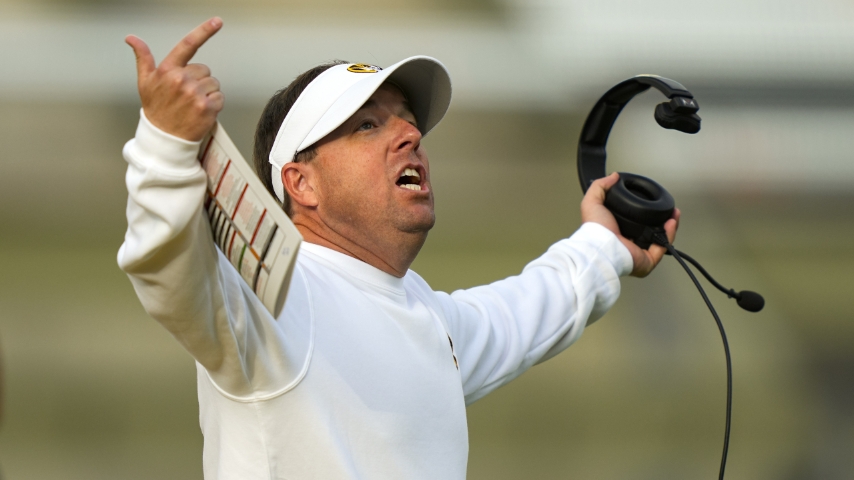
Jay Biggerstaff-Imagn Images
Entering his seventh season at Mizzou, Eliah Drinkwitz is 46-29 overall and 26-24 in conference as the head coach of the Tigers.
Just as I do with all rankings, I try to follow the schoolyard draft philosophy. As in, if I had to pick a coach to win me a game played tomorrow, who do I think would give me the best chance to do that? That’s highly subjective, of course. Then again, that’s what rankings are.
But I think we’ll all unanimously agree on these SEC coach rankings heading into 2026:
16. Will Stein, Kentucky
One thing I like — It’s hard to imagine an offensive coordinator with total autonomy on that side of the ball doing much more than Stein did in three seasons at Oregon. Three different quarterbacks put up top-20 scoring offenses for a team that won a combined 38 games. Even if the talent pool in Eugene is elite, that’s no small feat.
One thing I don’t like — It’s simple. Every other coach on this list has been a head coach before, including the three games that Pete Golding got after Lane Kiffin’s exit. Stein will undoubtedly rise on this list, but it would feel unfair to put him above others who have already handled the ebbs and flows of running a program.
15. Ryan Silverfield, Arkansas
One thing I like — Silverfield is entering Year 7 as an FBS head coach, and he’s never had a losing season. That’s because he was 19-15 in one-score games at Memphis, which has obviously been a massive Achilles’ heel in Fayetteville. That came to a head when Silverfield’s squad all but ended the Sam Pittman era with an 18-point comeback win. Memphis didn’t bottom out after Mike Norvell left for Florida State, and Silverfield proved to be the steadying force that the program needed after he got the internal promotion.
One thing I don’t like — He inherited a pretty favorable situation at Memphis, and it was much different than the uphill climb that he took on at Arkansas. He’s not a proven elevator of a program. While Memphis was respectable under Silverfield, it never got back to a conference title game, even though the conference lost four of its top programs to bigger leagues. That’s why it wasn’t seen as impactful of a hire as Jon Sumrall or Alex Golesh.
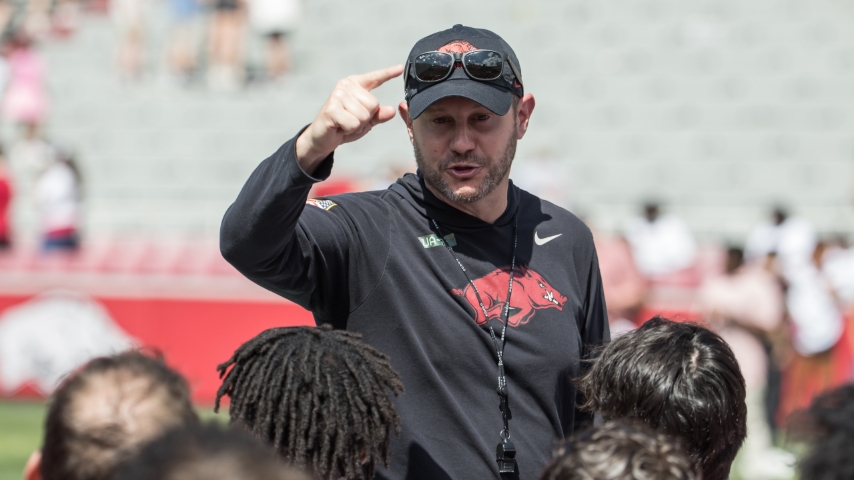
Brett Rojo-Imagn Images
Ryan Silverfield is one of five coaches entering their first full season in the SEC. Lane Kiffin at LSU makes it six new coaches across the league.
14. Jeff Lebby, Mississippi State
One thing I like — He’s coming off a three-win improvement in which his squad ranked in the top third of the FBS in scoring offense and third-down conversion rate. In many ways, that’s the identity that you hoped to see in Year 2 in Starkville. One of those wins was delivering the best moment of the post-Mike Leach era by knocking off defending Big 12 champion Arizona State.
One thing I don’t like — There was a lot of meat left on the bone in Year 2. Late-game decision-making ruined golden opportunities vs. Texas and at Florida, which was why Lebby was held to just one SEC win. Through two seasons, his lone SEC win came against a Bobby Petrino-coached Arkansas team that went 2-10. That’s troubling. Lebby brought back his predecessor, Zach Arnett, to fix a defense that fell apart down the stretch. That’s a bold, but telling move for someone who is still searching for answers heading into Year 3.
13. Alex Golesh, Auburn
One thing I like — After he was the offensive play-caller for the nation’s No. 1 offense at Tennessee in 2022, Golesh took over a USF program that was 4-29 in the three years prior to his arrival, and all he did was post three winning seasons. That included a nine-win campaign in which USF took down Florida in The Swamp. Golesh is a grinder in every way, and it makes perfect sense why his mindset was a breath of fresh air after Hugh Freeze’s brief time on The Plains fizzled out.
One thing I don’t like — I do think that while it’s a bit cliché with that up-tempo style, we need to see how Golesh handles the potential “complementary football” issue. In the five seasons that he’s been a primary play-caller, his teams ranked in the bottom two in FBS in time of possession all but once. Only one of those five teams had a top-50 defense (Tennessee in 2022). It’s not that Golesh is doomed with that style, which could light up SEC scoreboards. It’s that it’ll be considered an obvious point of dissension if expectations aren’t met in the long term.
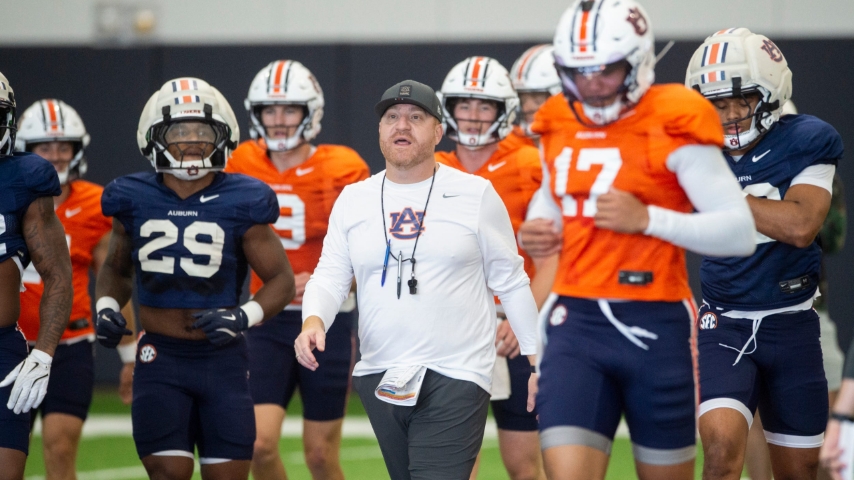
Jake Crandall/ Advertiser / USA TODAY NETWORK
At 42 years old, Alex Golesh is the third full-time head coach at Auburn since Gus Malzahn’s 2020 departure.
12. Jon Sumrall, Florida
One thing I like — In four seasons as an FBS head coach, Sumrall has been to four conference title games with two different programs. Oh, and he won three of them, including the one that sent Tulane to the College Football Playoff in 2025. Doing that at the Group of 5 level in this era of roster poaching is darn near impossible. Sumrall’s personnel evaluation skill is an undeniable strength, which has been evident both with his coordinator hires and with returning a defense that’s No. 1 in ESPN’s percentage of returning production.
One thing I don’t like — The only real knock on Sumrall is that he’s risen the ranks at such a quick level that we haven’t seen him sustain a program. At a place that hasn’t had a coach reach Year 5 in the post-Urban Meyer era, that’s still an unknown, even as Sumrall has said and done everything that Florida fans could’ve hoped for so far.
11. Pete Golding, Ole Miss
One thing I like — All he did in his second game as a head coach was eliminate the top dog in the SEC. Go ask Steve Sarkisian how hard it is to beat Kirby Smart. Golding might not get full credit for the 2025 Ole Miss run, but to discredit his impact on a team that was 20 seconds away from playing for a national championship would be foolish. When that team could’ve splintered, it rallied. Golding checked a massive box after stepping into an unprecedented situation.
One thing I don’t like — I’m hardly the first person to say this, but Golding still has to show as a head coach that he can build a roster and handle an SEC regular season. To be clear, we haven’t seen anything that suggests Golding will fail in that task. It’s just unknown for a first-time head coach. Will his offensive coordinator hire work? Can he still lead the defense at a high level while juggling head coaching duties? What does it look like when it’s not an “Ole Miss against the world” mentality? Those questions remain.
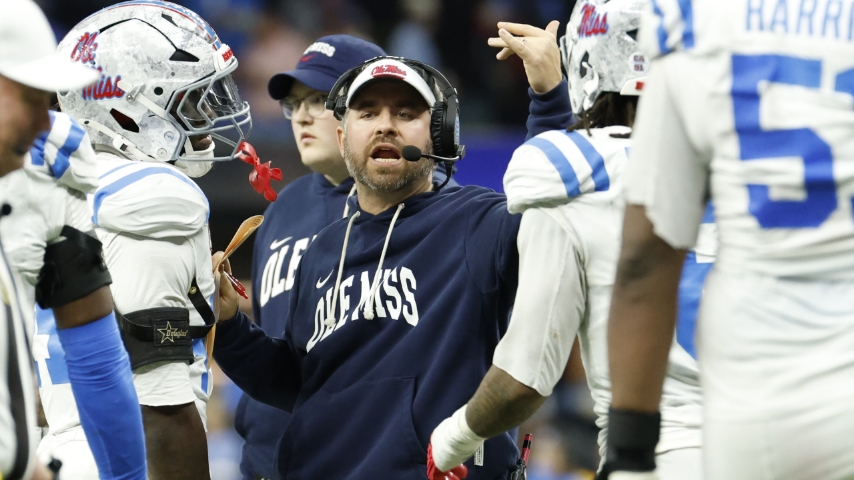
Amber Searls-Imagn Images
Prior to his time as the head coach in Oxford, Pete Golding was previously the defensive coordinator at UTSA (2016-17), Alabama (2018-22) and Ole Miss (2023-25).
10. Shane Beamer, South Carolina
One thing I like — Through Year 5, Beamer has five wins against top-15 foes, including two at Clemson, and the Gamecocks have yet to have consecutive losing seasons in SEC play under his watch. The highs have been undoubtedly higher than a whole lot of non-Steve Spurrier coaches in Columbia, and at a time in which roster retention is the name of the game, Beamer has excelled in that, even during down years.
One thing I don’t like — The inconsistency. While South Carolina has yet to have consecutive losing seasons in SEC play under Beamer’s watch, the Gamecocks also haven’t had consecutive eight-win campaigns. Winning as the underdog is all well and good, but handling expectations takes you to a different place in this sport. Beamer’s Year 6 — and beyond — will be defined by overcoming that.
9. Brent Venables, Oklahoma
One thing I like — Oklahoma won the Lincoln Riley breakup because of how Venables succeeded in 2025. Period. Oklahoma got to the CFP with a bounce-back season even though it started over offensively, and Venables faced immense pressure with a loaded schedule in Year 4. The Sooners had to battle through the John Mateer injury, as well as the late-season loss of the most decorated defensive player, R Mason Thomas. Venables responded by beating five ranked foes … which is as many as Riley has in his entire time at USC.
One thing I don’t like — Just like with the aforementioned Beamer, it’s the year-to-year consistency. Venables helped Oklahoma win the breakup, but he has yet to have consecutive winning seasons as a head coach. That has to change — especially with his best roster yet in 2026 — in order for him to be considered one of the better coaches in the conference.
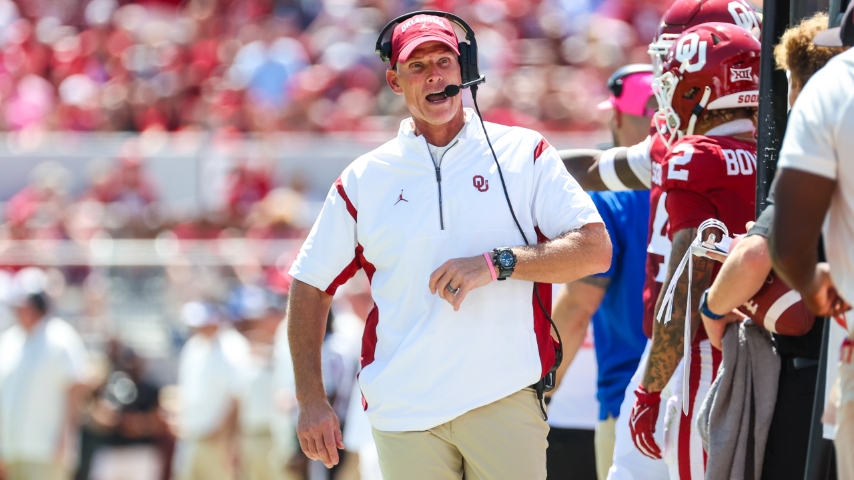
Kevin Jairaj-USA TODAY Sports
The over-under on Oklahoma’s win total entering Brent Venables’ third season in Norman is currently at 7.5.
8. Eli Drinkwitz, Mizzou
One thing I like — What if I told you that Mizzou just capped a three-year stretch that was one win away from matching the program’s 2007-09 run in the Big 12? Would you believe it? Perhaps not coincidentally, that coincided with Drinkwitz’s move to hire a full-time offensive play-caller. That move, to this point, has gotten Mizzou out of its cycle of mediocrity and into a different class in the SEC. It also helped that Drinkwitz recruited the portal exceptionally well on the defensive side, where the Tigers have quietly posted top-30 units each of the last three years.
One thing I don’t like — Drinkwitz had Kirby Moore calling plays with him the last three years until he got his first job at Washington State. Without Moore, Drinkwitz is 17-20 as a head coach, including a bowl game dud in which Mizzou was shut out after the opening drive. While Drinkwitz reloaded the offensive staff with Chip Lindsey and Garrett Riley, it’ll be interesting to see what the ceiling is for a coach who has eight consecutive losses to ranked foes.
7. Clark Lea, Vanderbilt
One thing I like — He just did the unthinkable at what was previously the laughing stock of the conference. Winning 10 games with a Heisman Trophy runner-up is something that even James Franklin didn’t accomplish at Vandy. A two-year stretch with 17 wins, five of which came vs. ranked foes (Franklin was 1-8 in those games), is beyond what anyone on the outside thought was possible in Nashville. Mind you, Lea began that two-year stretch firmly on the hot seat in what was seen as the steepest uphill climb in the SEC. Not too shabby.
One thing I don’t like — Without Diego Pavia, we saw Lea go winless in SEC play on two occasions. Granted, he’s still got some key pieces from that New Mexico State migration, most notably offensive coordinator Tim Beck. But it’s a fair thing to mention with Lea, who is 9-27 overall and 2-22 in SEC play without Pavia as his QB1.
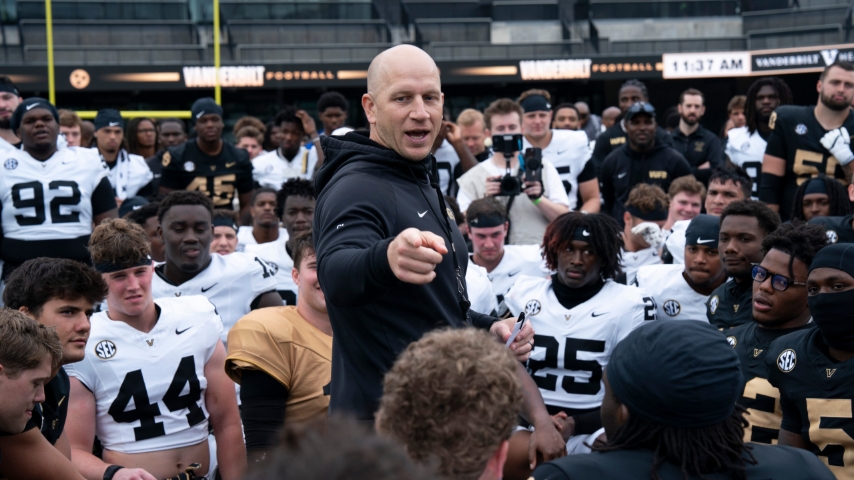
DENNY SIMMONS / THE TENNESSEAN / USA TODAY NETWORK
Clark Lea was named the 2025 SEC Coach of the Year, winning the award for a second consecutive season.
6. Josh Heupel, Tennessee
One thing I like — After Tennessee was the dud of the 2010s, Heupel delivered nothing but winning seasons overall, with no losing seasons in SEC play. He’s proven to be the adult in the room at a place that needed just that. Four top-12 offenses in five years on the job is nothing to scoff at when you consider that before Heupel, Tennessee hadn’t accomplished that feat once since Peyton Manning’s sophomore season on Rocky Top. That’s ultimately why he has already lasted longer than any of his four predecessors during the post-Phil Fulmer era.
One thing I don’t like — I’ll give Heupel a bit of a pass for the goose egg against Georgia because he does have two wins against Alabama and three victories against Florida, including the Vols’ first win in The Swamp in 22 years. But in the last three seasons, he’s 6-7 in true road games, and all six wins came vs. teams that lost at least six games. It’s the type of trend that, if it continues, could prevent Heupel from being a decade-long coach in Knoxville.
5. Mike Elko, Texas A&M
One thing I like — He took over two Power Conference rebuilds and is somehow 35-16 overall without a losing season in conference play through four seasons as an FBS head coach. Elko is now a proven program rebuilder, and leading A&M to its best regular-season win total of the 21st century only confirmed that. If you had told anyone in 2023 that Jimbo Fisher’s successor would get off to a 12-4 start in SEC play, they would’ve said you were dreaming. That’s the reality that Elko created.
One thing I don’t like — It’s the finishes. A 1-4 stretch to close 2024 put a damper on Year 1, and losing to Texas and Miami (FL) spoiled the 11-0 start to Year 2. Kevin Sumlin’s undoing in College Station was his disappointing finishes, and while Elko has certainly earned the right to quickly rise on this list, he knows that turning around that trend will determine A&M’s staying power as an annual contender.

Brian Jones
Last fall, Mike Elko inked a contract extension that runs through the 2031 season.
4. Lane Kiffin, LSU
One thing I like — In the 50 years before Kiffin arrived in Oxford, Ole Miss finished as a top-11 team once. Then Kiffin did that four times in his final five seasons, albeit with a notable absence for those final three games of the 2025 Playoff run. After the COVID season, Kiffin’s lone regular-season game in which Ole Miss was unranked was the 2021 opener against Louisville. To call Kiffin’s time at Ole Miss anything but a massive success would be a mistake. To call his exit at Ole Miss anything but a massive debacle would be … yeah, you get it.
One thing I don’t like — Like, besides bailing on a Playoff-bound program? Kiffin has never started and finished with a top-10 team. That’s the underdiscussed separator of good and great coaches in this sport. Smart and Ryan Day both have done that eight times. Dabo Swinney did it six times in the 2010s, while Lincoln Riley did it all five seasons he spent at Oklahoma. Marcus Freeman already did it three times while Kalen DeBoer, Dan Lanning and James Franklin all did it twice. Sure, an exception like Curt Cignetti is out there, but for Kiffin, who hasn’t been a head coach in a Playoff game or even a conference championship yet, that’s holding him back from the upper echelon.
3. Steve Sarkisian, Texas
One thing I like — The last time that Texas won more games in a three-year stretch than it did in 2023-25 was … never. The 35 wins that Sarkisian racked up from 2023-25 matched 2007-09 for the best in program history. Of those 35 victories, 14 came vs. ranked foes, and six of those came against top-10 teams. Sarkisian brought the Longhorns out of the college football basement they started the decade in and has elevated expectations to peak Mack Brown levels.
One thing I don’t like — He’s a combined 0-5 vs. Kirby Smart (0-3) and Kalen DeBoer (0-2). Sure, those two losses to DeBoer happened in Texas-Washington matchups, even though both were when the Longhorns were favored. If there’s a nitpick of Sarkisian’s rise at Texas, it’s that coaches like Smart, DeBoer and Ryan Day have had his number and could continue to stand in the Longhorns’ way of a title. That would be a devastating blow to the folks on the Forty Acres if that trend continued in 2026.
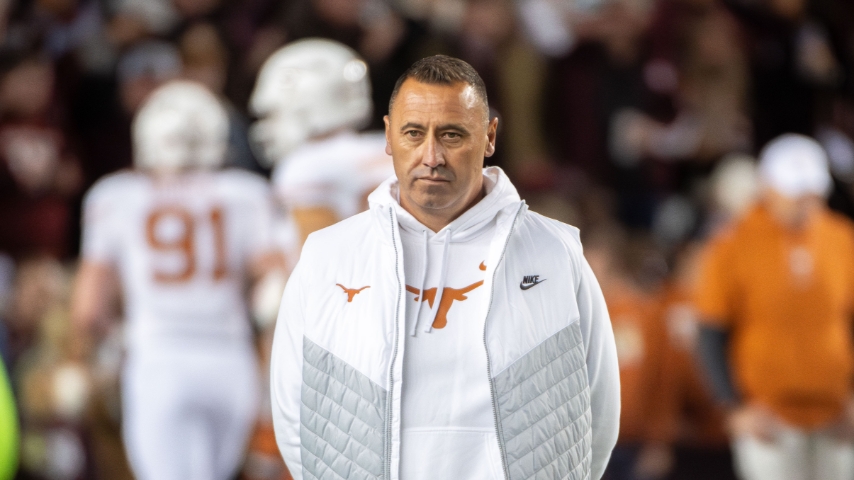
Zoe Kelton, TexAgs
Since joining the SEC, Steve Sarkisian’s Longhorns are 23-6 overall and 13-3 in conference.
2. Kalen DeBoer, Alabama
One thing I like — In four seasons as a Power Conference head coach, he’s 18-5 vs. ranked foes, and he’s 8-3 vs. top-10 teams, both of which are tops among active coaches (in terms of winning percentage). He’s got four top-five wins in that four-year stretch, which is as many as Sarkisian (2) and Kiffin (2) combined. In that time, he’s got a 7-1 mark against the likes of Sarkisian (2-0), Smart (2-1) and Lanning (3-0), all of whom are considered top-five coaches in the sport. Anybody who doubts DeBoer’s ability to win big-time games hasn’t been paying attention.
One thing I don’t like — The inexplicable losses linger. It’s not just the 2024 Vanderbilt or the 2025 Florida State instances that are knocks against DeBoer. It’s how uncompetitive his teams have looked in losing efforts. Alabama has had four losses by at least 14 points under DeBoer, three of which were in “gotta-have-it” games (2024 Oklahoma, 2025 SEC Championship, 2025 Rose Bowl). He has to figure that out if he hopes to get Alabama back to its title-winning ways.
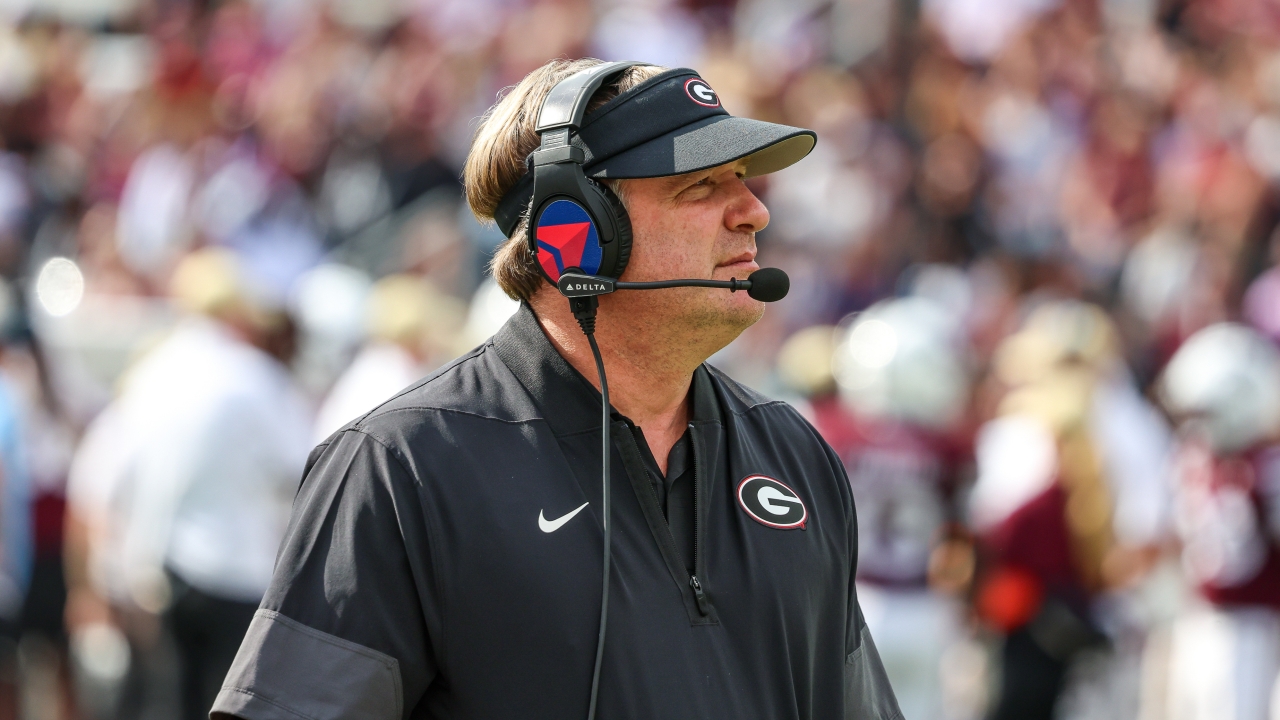
1. Kirby Smart, Georgia
One thing I like — In the last five seasons, 2023 was the only year in which Georgia failed to win either an SEC or a national championship … and it was a 13-1 season that finished with a No. 4 ranking. That’s why Smart is leading Georgia in the “team of the decade” discussion. Smart has four conference titles at a time when no other current coach in the conference has one, and the rest of the active coaches have two combined appearances (2024 Texas and 2025 Alabama), both of which were losses to Georgia. Smart has dominated the SEC in ways that only trail a certain former boss of his.
One thing I don’t like — Georgia just had its third consecutive season without a Playoff victory. Losing to a Kiffin-less Ole Miss squad couldn’t be blamed on the quarterback situation like the 2024 Sugar Bowl loss to Notre Dame was. For a team that looked poised to reach the semifinals annually in an expanded Playoff, it’s been the opposite. Whether that’s entirely related to UGA’s inability to stockpile talent like it once could in the pre-NIL era is debatable, but what’s not debatable is this — anybody in the SEC would still sign up for Smart to run their program in a heartbeat.